David Brooks’ article has the same tropes that every other doomer technology article has. He writes:
Modern technology, by contrast, is built around an optimization mentality: You find a machine that makes everything easier, so that you accomplish things as efficiently as possible.
While he says this is what modern technology does, this is, in fact, what every technology attempts to do: make life easier and more efficient. The creators of the wheel (a technological object) were not worried about how our leg muscles would atrophy if we didn’t work as hard to move things around. They were looking for a way to make moving things easier and more efficient.
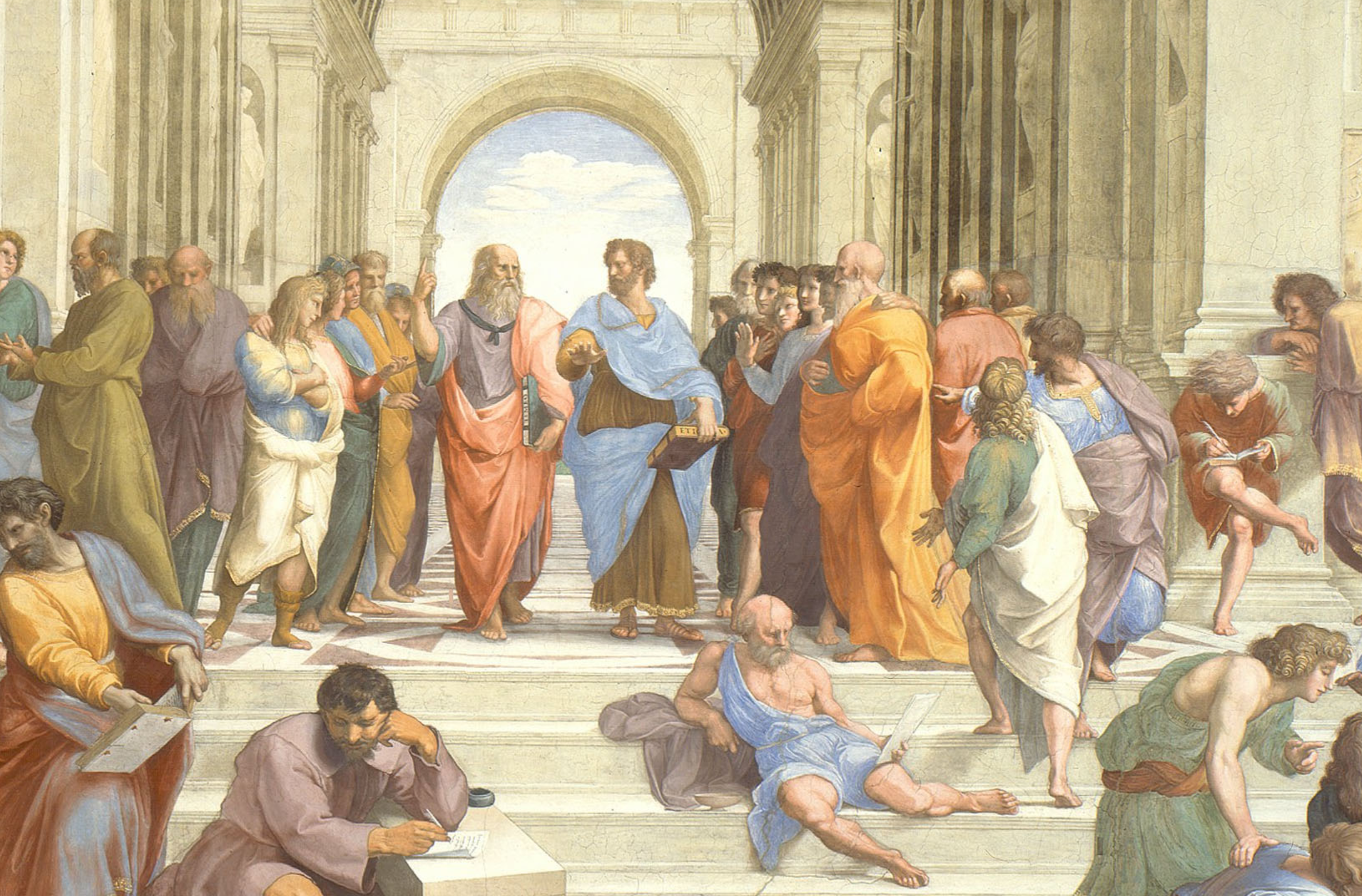
The users of writing (another technological object that we take for granted, and David Brooks’ tool of choice) were warned in Plato’s Phaedrus:
…[writing] will create forgetfulness in the learners’ souls, because they will not use their memories; they will trust to the external written characters and not remember of themselves. […] they will be hearers of many things and will have learned nothing; they will appear to be omniscient and will generally know nothing; they will be tiresome company, having the show of wisdom without the reality.
Plato’s warning that people who depend on writing (i.e., readers) will be “tiresome company” is echoed by Brooks when he says “Modern technology wants to turn you from a mental muscle builder into a mental couch potato.”
Both Plato’s criticism of writing and Brooks’ criticism of AI have, at their core, the same critique: the use of the technology will result in people of weaker character. They both point out that depending on the technology in question—writing for Plato and AI for Brooks—will mean the user does not have as full a grasp of the subject matter that they learning.
And this is true.
For example, someone who has only read about how government works or who has only listened to others criticize the government but who has not actually tried to do anything in government, does not understand government in the same way as someone who has spent time working in government.
While the person who has spent time working in government has actual knowledge, the person who hasn’t will come up with facile solutions to problems that they see and grow frustrated that the “deep state” is so corrupt because their facile solutions were rejected or not even tried.
So, Brooks is right: to really know something, you have to engage with it. You cannot be a mental couch potato.
But this is not a new problem. This is not something that is unique to AI or our changing society.
We see the echo in what Plato wrote: people with only a surface level knowledge who present themselves as omniscient are tiresome company.
This is a constant.
But, keep in mind, Plato was critical of democracy. but we don’t eschew it because it gives poor and ignorant people the power to vote. Likewise, we should not jettison the tools that the current batch of changes (AI) gives us because talentless people will be able to write more readable essays.
It will take us a while to adapt and we need reminders from critics that we have to put in effort to make sure we maintain our own health and the health of our society, but very few people who have access to good wheels and good roads will avoid them because they think that is the only way to maintain their strength.
Brooks’ moralistic tone is what grates. “What happens if she has never put in that work and has never become a self?” Brooks asks of the tool user. And later, he calls on us to “Shame people who do” use AI to write their essays.
This judgement—they do not have a self!—is irritating. Plato complained of tiresome people who read wise words and, as a result, thought they were wise.
But somehow we made it.
Our moralizers are not wrong but the desire to strive for wisdom or beautiful works will survive. AI will no more be our doom than writing made us forget wisdom.