-
Comments on The People Who Will Thrive in the AI Age
David Brooks’ article has the same tropes that every other doomer technology article has. He writes: Modern technology, by contrast, is built around an optimization mentality: You find a machine that makes everything easier, so that you accomplish things as efficiently as possible. While he says this is what modern technology does, this is, in…
-
The proper way to add a keyring to authenticate a repository in 2023

Since I have not yet automated this process (because I don’t do it that often) and since there are so many pages out there that talk about using the deprecated apt-key command, I’m writing this up. The year is especially apropos since apt-key(8) will last be available in Debian 11 and Ubuntu 22.04. https://manpages.debian.org/bullseye/apt/apt-key.8.en.html I…
-
Chaining dnsmasq instances together

Laravel’s valet allows you to set up PHP-based sites so that they have their own domain name ending in.test so that you can easily deploy multiple projects in your local development environment. To do this, it uses dnsmasq listening on 127.0.0.1 (lo). Other development tools like libvirt use dnsmasq in a similar way, but coordinating…
-
WikiApiary is finally more responsive

Since writing about WikiApiary last, I didn’t have much time to work on it. In the meantime, denizens of the MediaWiki Stakeholders chat room (join us!) have mentioned more than once that it wasn’t very responsive. In the past few days, I finally took the chance to look at in terms of server resources rather…
-
More WikiApiary progress
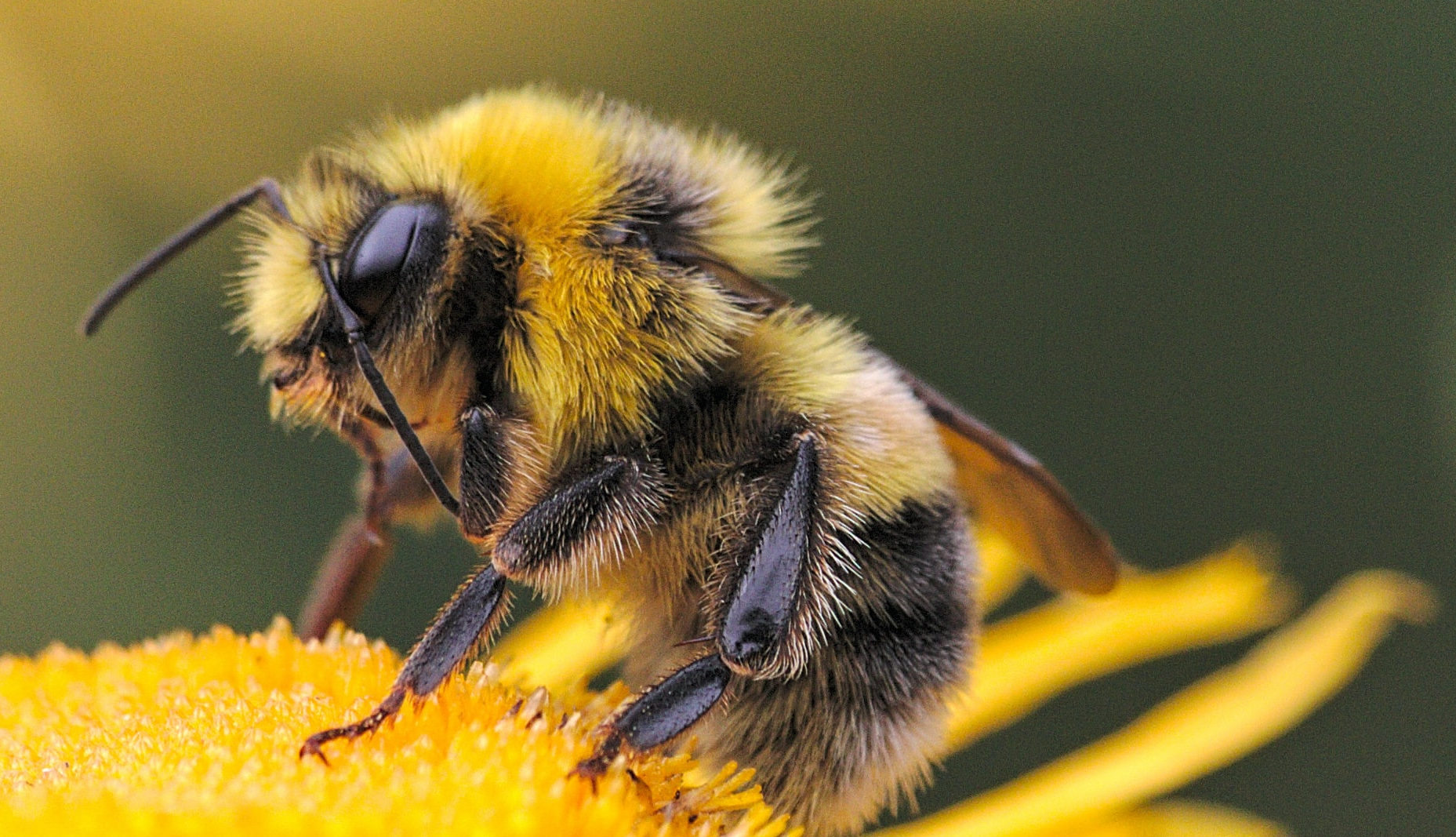
While WikiApiary was offline, its stewards–the MediaWiki Stakeholders user group–got a number of complaints. For a brief time, I tried to allay the worry by putting up a reassuring bee, but then I was spending time that I didn’t think I had, so I figured it would be better to use that time to actually…
-
How to get URLs in JavaScript for uploaded files in MediaWiki
Today, I was trying to remove hard-coded paths from some JS code. In my particular case, I started with a stem that looked like this: /img_auth.php/c/c9/Logo.png But MediaWiki provides different ways to configure it to serve images. The hard-coded url wouldn’t work in a wiki that had $wgHashedUploadDirectory set to false. And it wouldn’t work…